
Modern roof inspections demand speed, safety, and reliable data – and that is exactly where professional-grade drones come in. Instead of sending teams onto steep or weathered surfaces, a drone can cover the entire roofscape from a stable aerial perspective, capturing high-resolution visual or thermal data in a fraction of the time. By keeping inspectors on the ground and letting the aircraft handle the hard-to-reach angles, the workflow becomes faster, safer, and far more controlled.
For professionals who depend on accuracy and consistency, roof inspection drones offer the precision needed to spot early signs of wear, structural issues, or moisture buildup before they escalate. Built for demanding field conditions, these systems perform reliably in a wide range of environments – from urban rooftops to large industrial facilities – without compromising data quality or operational safety.
Why Use Drones for Roof Inspections?
Using hybrid drones for roof inspections fundamentally changes how professionals approach both routine assessments and complex diagnostic work. Instead of relying on ladders, scaffolding, or manual walkovers – all of which carry significant risk and take considerable time – a drone can scan the same area within minutes. This shift not only protects personnel but also reduces interruptions at residential, industrial sites and drone inspections at commercial property.
Besides that, a drone captures consistent and highly detailed visual data that can be reviewed, compared over time, and archived without the subjective variability of manual reporting. Thermal cameras add an extra layer of insight by revealing hidden moisture, insulation failures, or leaks that aren’t visible to the naked eye. This combination of visual and thermal data ensures a more accurate picture of roof health, allowing issues to be identified earlier and addressed more efficiently.
It would also mean fewer operational delays. Because flights are quick and minimally disruptive, roofs can often be surveyed without shutting down HVAC units, blocking access points, or halting on-site work. In day-to-day operations, drone inspection translates directly into reduced costs, clearer documentation, and a more predictable inspection cycle.
What Makes Acecore the Preferred Choice for Roof Inspection Drones?
Professionals who rely on drones every day know that build quality, reliability, and integration are what truly set a system apart. Acecore focuses on creating tools that hold up in real field conditions – not just in controlled environments – and that consistency is a major reason operators choose these platforms for demanding roof inspection work. Every system is handcrafted, built with premium materials, and designed to deliver both performance and longevity, even during intense operational cycles.
Handcrafted, High-Performance UAVs Built for Harsh Environments
Every Acecore system begins with a hands-on manufacturing process rooted in Dutch craftsmanship. Instead of mass production, each airframe is built and finished by specialists who understand how every component behaves under real-world stress. This approach results in drones that not only look refined but are engineered for the demanding conditions professional inspectors face daily.
Premium carbon fiber structures, carefully routed electronics, and high-quality locally sourced materials form the backbone of these UAVs. This gives them the rigidity, durability, and weather resistance needed for prolonged use atop buildings, near edges, and in turbulent wind channels commonly found around rooftops. Redundant propulsion systems found in our industrial-grade drones help maintain flight stability and safety, even in the event of component failure, while thoroughly tested thermal and environmental tolerances ensure each aircraft keeps performing regardless of heat, cold, or unexpected gusts.
Modular Payload Options for Visual, Thermal, and LiDAR Inspections
Roof inspections rarely follow a one-size-fits-all pattern, which is why modular payload flexibility plays such a crucial role in professional workflows. With Acecore systems, operators can configure their aircraft to match the exact requirements of the job at hand – whether that means detailed RGB imaging, thermal diagnostics, or high-precision LiDAR scanning.
Visual inspections benefit from integrations with camera systems from brands like Sony, offering high-resolution imagery suited for documenting cracks, surface wear, flashing issues, and overall roof condition. Thermal sensors, including those from Workswell, help reveal hidden moisture, insulation gaps, or internal heat distribution problems that aren’t visible through standard photography. For more advanced industrial sites, LiDAR payloads from manufacturers such as RIEGL and YellowScan provide dense point clouds that capture roof geometry with exceptional accuracy, enabling precise deformation analysis or BIM integration.
This ability to swap payloads quickly and confidently means inspectors can complete multiple types of surveys during a single site visit. It streamlines the workflow, reduces equipment redundancy, and ensures that the drone becomes a central, adaptable tool rather than a specialized device with limited use.
Reliable, All-Weather Performance
Roof inspections often take place in less-than-ideal conditions, from gusty winds sweeping across industrial sites to light rain or temperature swings that would ground less capable aircraft. Acecore systems are engineered specifically to handle these scenarios, offering robust weather resistance that allows operators to stay productive without waiting for perfect skies.
The combination of strong carbon fiber airframes, efficient cooling pathways, and precisely tuned propulsion systems enables stable performance even in challenging environments. These drones maintain control in high winds, shed rain effectively, and continue operating in both hot and cold climates, giving inspectors the freedom to schedule flights around operational needs rather than weather limitations.
Recommended Acecore Drones for Roof Inspection
Different roof inspection tasks call for different tools, and Acecore’s lineup reflects that range. Some operations require pinpoint precision and unobstructed imaging angles, while others benefit from portability or high payload capacity for advanced sensors. By matching the aircraft to the mission, inspectors can work more efficiently, capture better data, and maintain safer workflows across residential, commercial, and industrial environments.
Zetona: Precision Visual and Thermal Roof Inspections
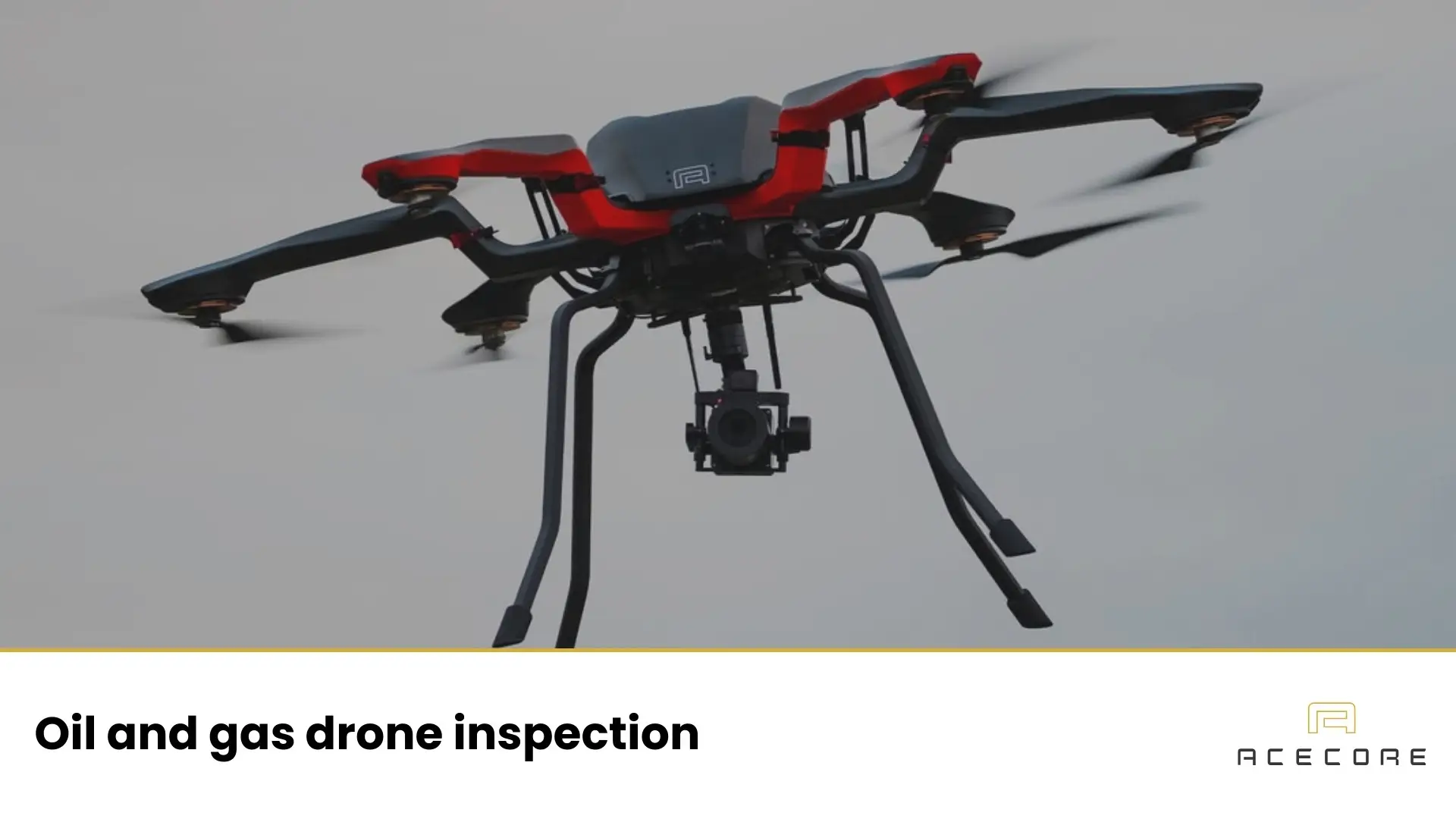
The Zetona is designed for moments when precision matters most. Its front-mounted gimbal provides an unobstructed view from top to bottom, making it especially effective for inspecting roof edges, flashing, drains, and areas that are difficult to capture with traditional under-mounted gimbals. This orientation also makes detailed vertical inspections more intuitive, particularly when checking facades or transitions between roof sections.
With the ability to stabilize and operate a high-resolution camera like the Sony LR1, the Zetona delivers sharp, reliable imagery suited for identifying fine cracks, aging membranes, or subtle thermal anomalies. Its stable flight performance and refined control response give inspectors confidence when flying close to structures – a key advantage when accuracy and safety must go hand in hand.
Zoe: Compact, Versatile, and Weather-Resistant for Urban and Residential Roofs
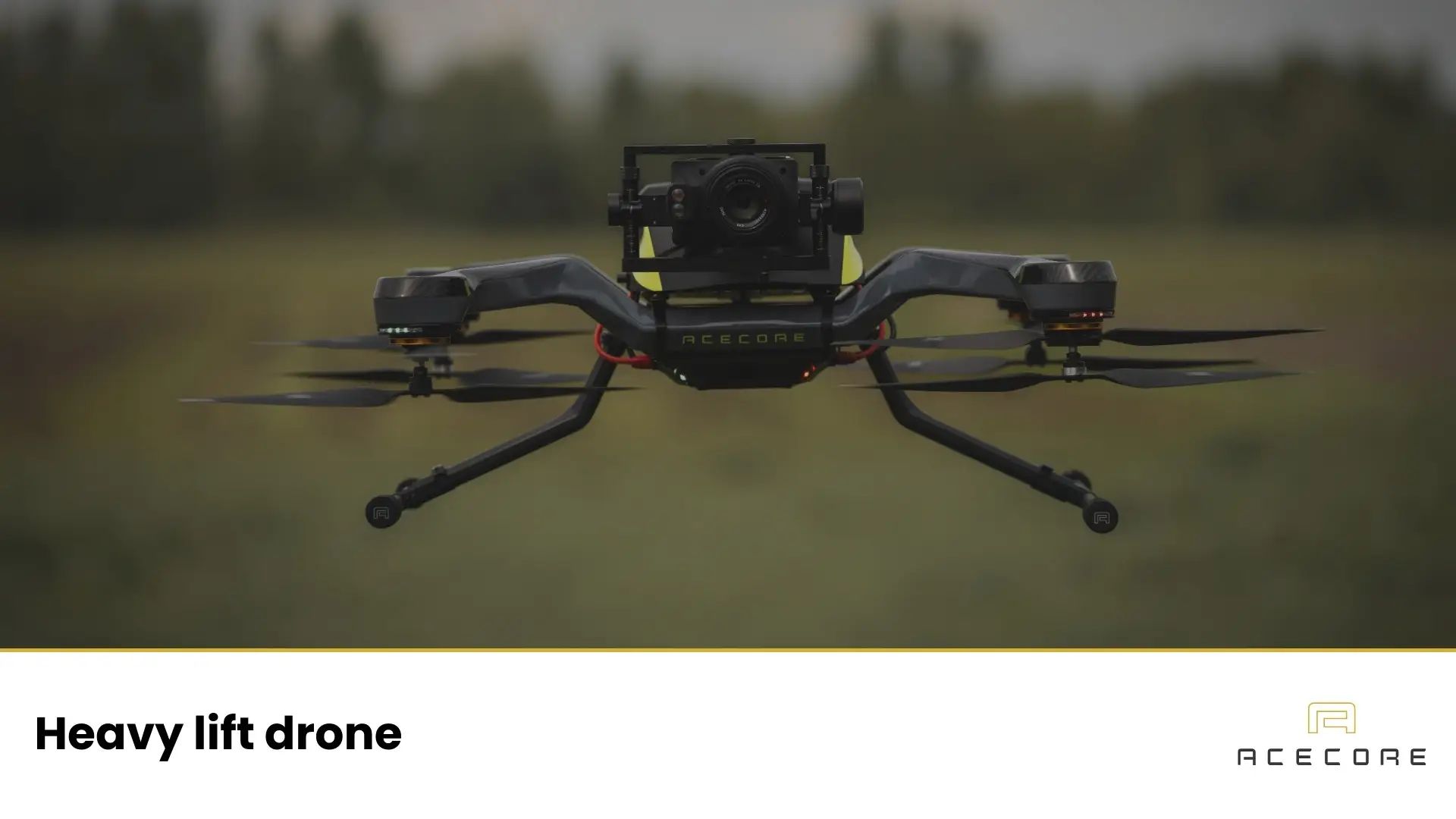
The Zoe is a strong match for roof inspectors who work in dense urban areas or frequently move between multiple residential sites in a single day. Its compact frame makes it easy to transport and deploy quickly, while still offering the stability and lift needed for professional-grade cameras and thermal sensors. Despite its smaller footprint, the aircraft delivers long flight times, giving inspectors ample airtime to complete full surveys without constant battery changes.
What sets the Zoe apart in day-to-day inspection work is its balance between portability and capability. It handles challenging microclimates often found around buildings – swirling gusts, narrow alleys, rooftop turbulence – with a level of control and predictability that makes close-up inspection work feel natural. Its weather-resistant design allows operators to continue flying in light rain or wind, keeping schedules on track instead of waiting out shifting conditions.
Noa: Heavy-Lift Platform for Advanced Industrial and LiDAR Roof Surveys
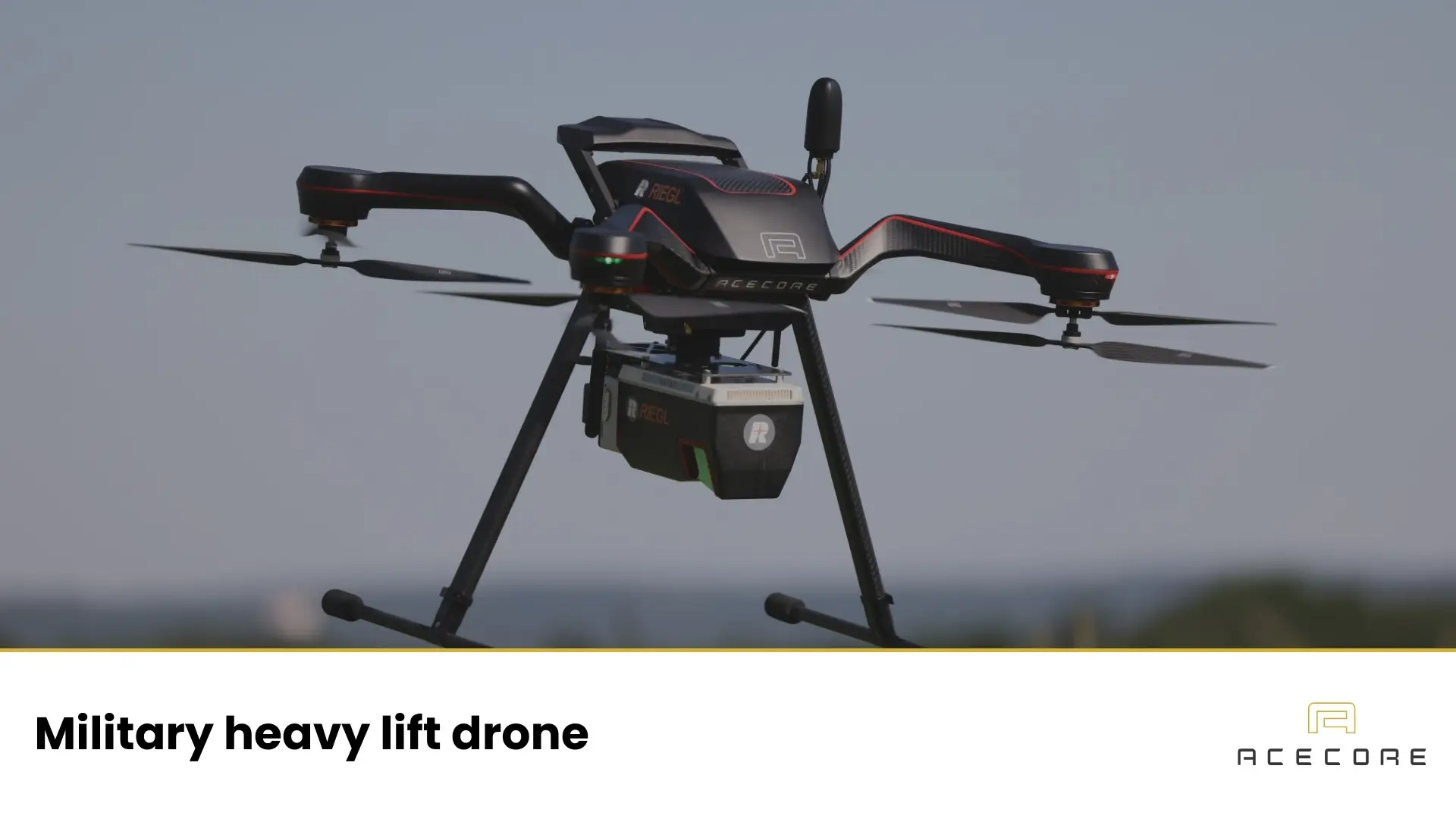
The Noa is built for inspections that go beyond basic imaging and require heavy, high-end payloads such as industrial-grade LiDAR systems. With its substantial lift capacity and long endurance, it supports advanced sensors that capture detailed 3D roof geometry, structural deformation, or complex architectural features in a single, efficient flight.
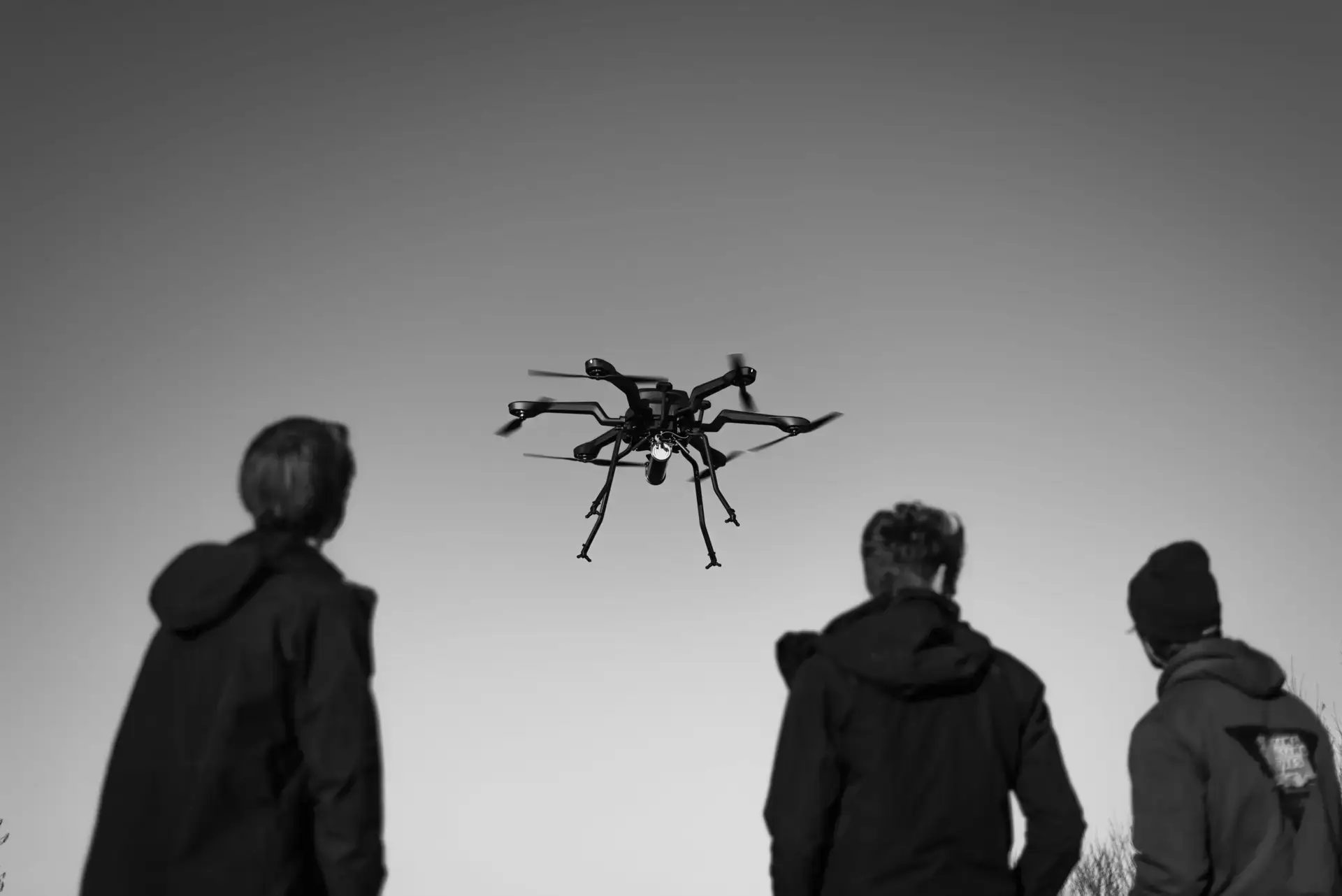
Its rugged hexacopter design provides both stability and redundancy, which is especially valuable when operating near large industrial buildings, warehouses, or energy facilities where environmental conditions and airflow can be unpredictable. The Noa’s smooth flight characteristics help maintain consistent data quality, even during longer missions or when carrying heavier equipment.
Accurate Data Capture and Workflow Integration
Professional roof inspections depend on more than stable flight – they rely on accurate, dependable data that integrates cleanly into existing workflows. Modern drones equipped with RTK or PPK positioning provide centimeter-level precision, ensuring that every image, thermal reading, or LiDAR point is correctly tied to a known reference, just like our utility inspection drones. This level of accuracy reduces the need for repeat flights and gives inspectors confidence that their datasets will hold up during analysis or regulatory reporting.
Automatic geotagging further streamlines the process. As the drone captures images, coordinates are written directly into the file metadata, keeping all positional information tidy and organized from the start. For teams working with mapping or BIM software, this means less time sorting files and more time interpreting the actual condition of the roof.
When combined with advanced payloads and dependable flight performance, these workflow-focused features make drone-based inspections not only faster but also significantly more consistent. The resulting datasets are easier to archive, compare from year to year, and integrate into broader facility management systems.
All-Weather Reliability and Safety
Roof inspection schedules don’t always line up with perfect weather, so all-weather capability becomes essential rather than optional. Professional drones built for real-world conditions can maintain stability and deliver usable imagery even when the environment is less forgiving. Strong wind resistance helps the aircraft hold position over edges or parapets, while rain tolerance ensures missions stay on track during light showers without compromising safety.
For operators working at height-sensitive sites or above busy facilities, built-in redundancies add an extra layer of assurance. Multi-motor configurations, robust propulsion systems, and proven electronics reduce the risk of mission failure and help ensure a controlled landing even if something unexpected occurs.
Training, Support, and Compliance
Adopting drones into roof inspection workflows is easier when operators have access to proper training, clear regulatory guidance, and responsive support. Professional-level aircraft require knowledgeable pilots, and structured training programs help teams build that confidence quickly. From hands-on flight instruction to understanding automated mission planning, training ensures pilots can use every capability of the system safely and efficiently.
Compliance is another essential aspect, especially in regions where roof inspections fall under specific operational categories. Support with EU licensing – including A2 certifications or Specific Category procedures like SORA or STS – helps operators navigate regulatory requirements and document their operations correctly. This guidance reduces the administrative burden and ensures inspection teams stay aligned with current standards as they evolve.
Long-term support completes the picture. Reliable after-sales service, maintenance programs, and access to expert advice keep systems performing at their best throughout their operational life. For professionals who depend on consistent uptime and accurate results, having a partner who stays involved beyond the initial purchase makes all the difference.
Investing in a Quality Roof Inspection Drone
Choosing a professional-grade roof inspection drone is ultimately an investment in safety, accuracy, and long-term efficiency. Instead of relying on slow, labor-intensive manual methods, a well-built drone allows you to gather consistent, high-resolution data while keeping inspectors safely on the ground. Over time, this reduces operational risks, minimizes disruptions on site, and helps identify issues earlier – saving on both maintenance costs and emergency repairs.
A quality system also integrates more smoothly into existing workflows. Reliable positioning, strong flight stability, and dependable weather resistance mean you can schedule inspections with fewer delays and trust the output even when conditions aren’t ideal. As your inspection needs grow, a robust drone platform provides the flexibility to expand into thermal imaging, detailed mapping, or even 3D modeling without replacing your entire setup.
When viewed across multiple projects or inspection cycles, investing in a capable drone becomes less about acquiring a single tool and more about strengthening your overall operational reliability and decision-making clarity.